


Ants in Northeast Florida — Identification & Facts
A field guide to the ant species Northeast Florida homeowners encounter most, how to tell them apart, and what their presence means.
Ants at a glance
Northeast Florida is home to several common ant species, including fire ants, ghost ants, carpenter ants, and white-footed ants. Identifying the species matters because each nests differently and responds to different treatment — carpenter ants, for example, tunnel into wood, while fire ants build outdoor mounds and deliver a painful sting.
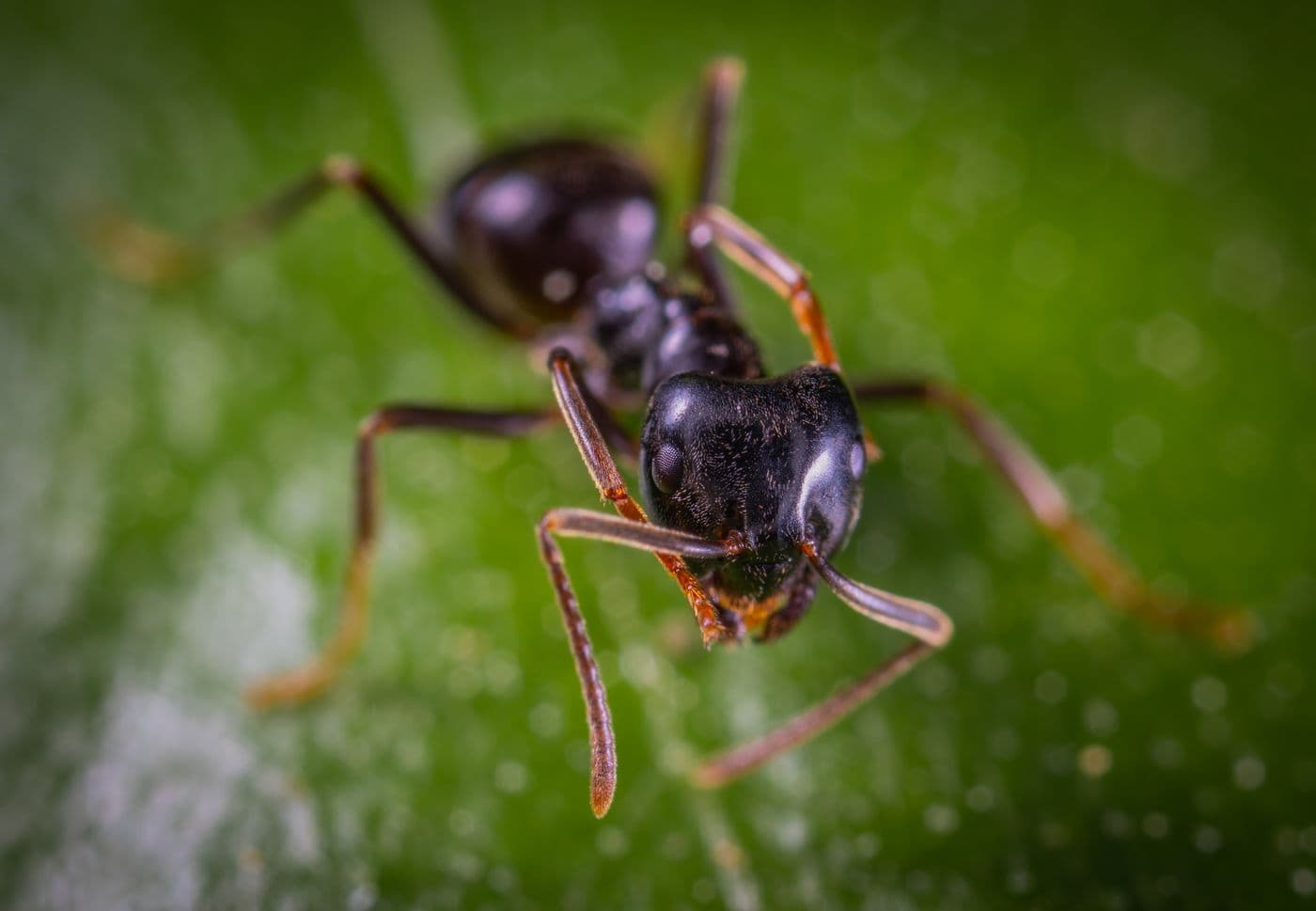
How to identify them
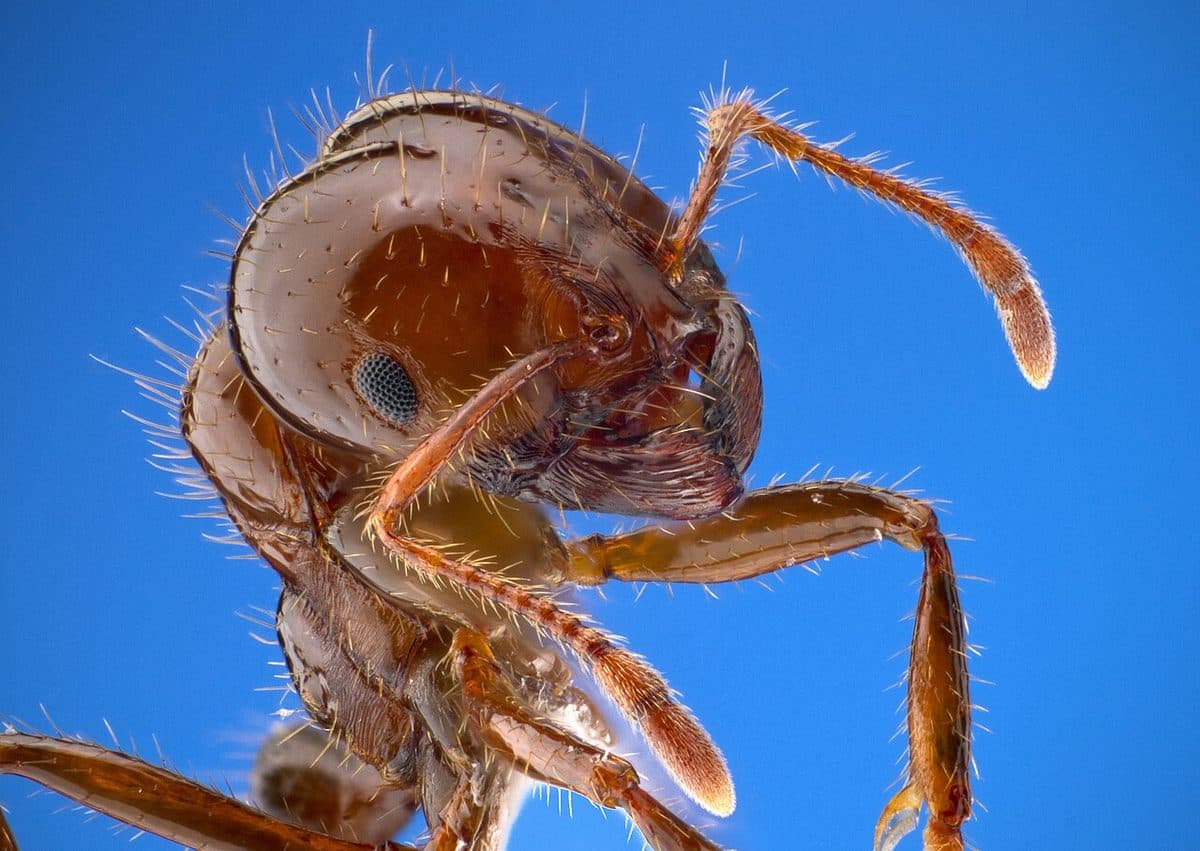
Fire ants
Reddish-brown, build dome-shaped dirt mounds in yards, sting aggressively when disturbed.
Ghost ants
Very small with a dark head and pale, almost translucent abdomen; common indoors near moisture.
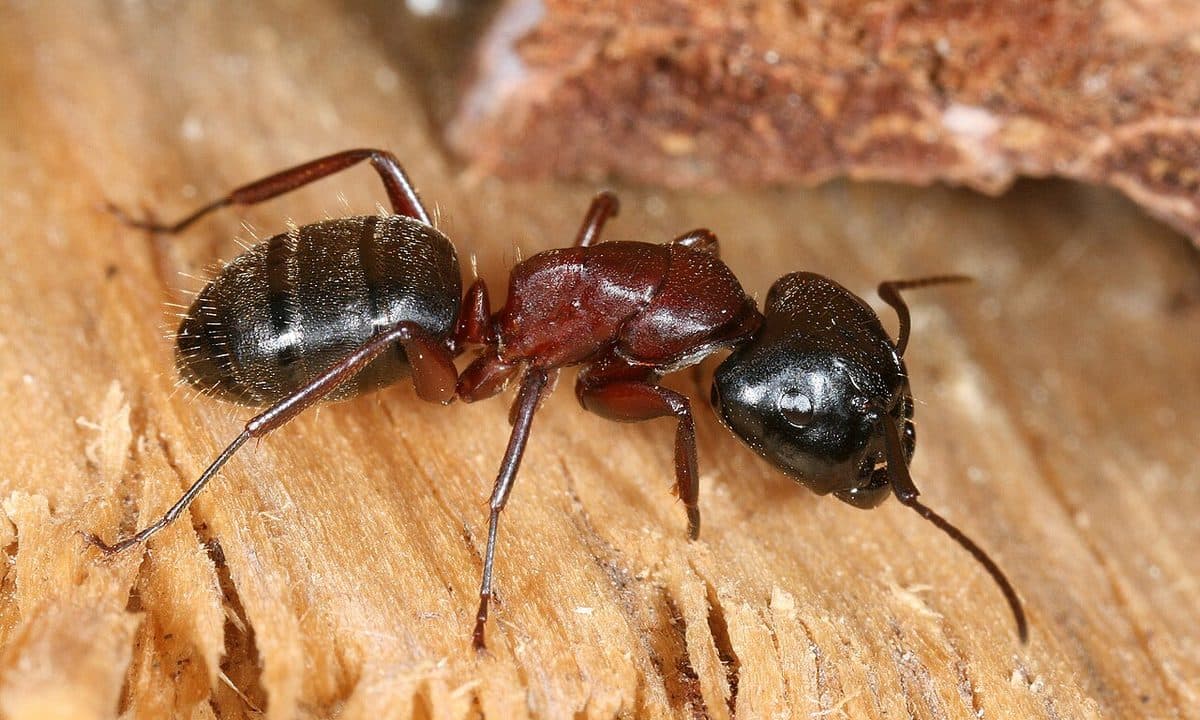
Carpenter ants
Among the largest ants here, usually black; they don't eat wood but excavate it to nest.
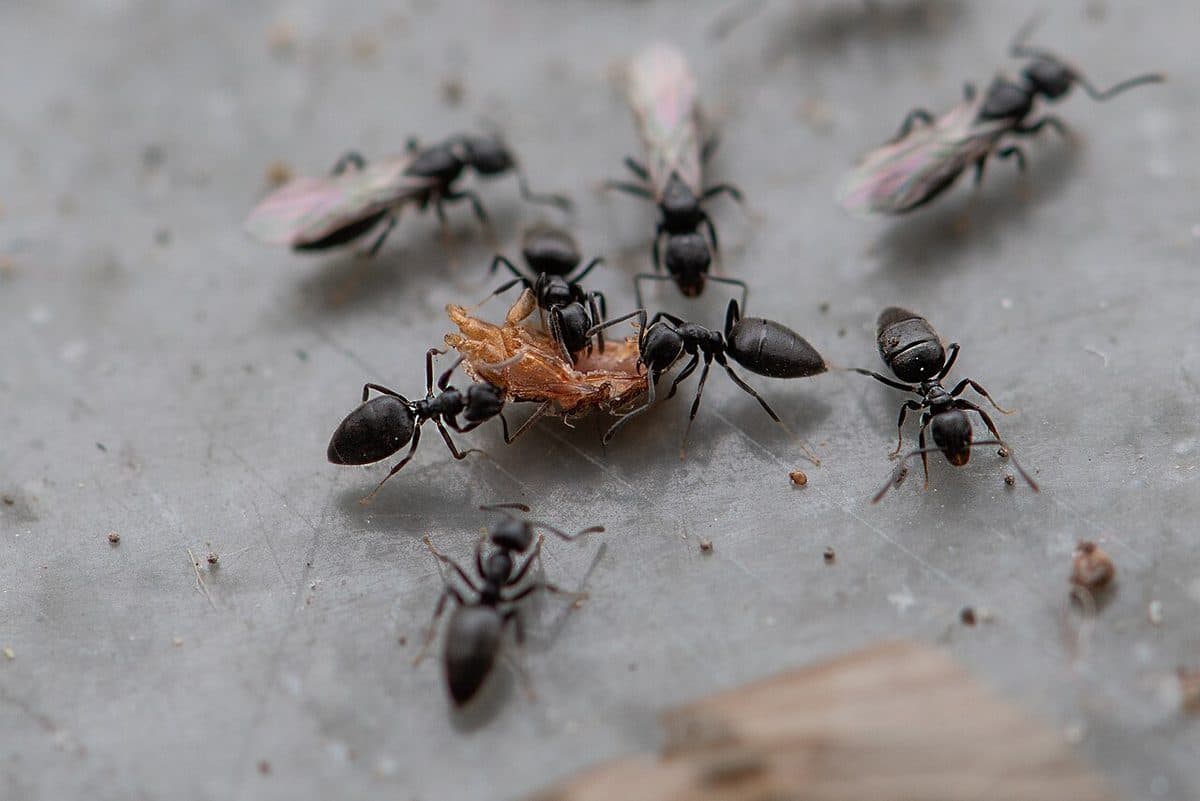
White-footed ants
Small and dark with pale lower legs; form very large colonies and trail in big numbers.
Behavior & habits
Ants are social insects living in colonies that can range from hundreds to hundreds of thousands. Workers forage for food and water and lay scent trails others follow — which is why you see lines of ants. Most household ants nest outdoors and forage inside; some, like ghost ants, will nest indoors near moisture.
Signs of an infestation
Visible trails along counters, baseboards, or foundations; small piles of debris or sawdust-like material (carpenter ants); mounds in the yard (fire ants); winged swarmers near windows in warmer months.
Northeast Florida context
Our warm, humid climate lets ants stay active year-round, and the region's mix of sandy soil and abundant moisture suits many species. Carpenter ants are of particular concern because their wood excavation can affect structures over time.
When to call a professional
If you're seeing persistent trails, large numbers, or signs of carpenter ant activity, professional identification and colony-targeted treatment is far more effective than surface sprays. Gray Pest Control treats ants by targeting the colony, not just the workers you see.
Common questions
Do carpenter ants eat wood like termites?
No — carpenter ants excavate wood to nest rather than eating it, but the tunneling can still cause damage over time.
Why do I suddenly have ants indoors?
Ants often move inside seeking food, water, or shelter, especially during weather changes; they follow scent trails to reliable sources.
Are fire ants dangerous?
Their sting is painful and can cause allergic reactions in sensitive people; their mounds are common in Northeast Florida yards.
Dealing with ants in your home?
Get a free quote from a licensed Gray Pest Control technician — serving Jacksonville, Clay, Duval, and St. Johns counties, including St. Augustine, Orange Park, and Fernandina Beach.