
Termites in Northeast Florida — Identification & Facts
What every Northeast Florida homeowner should know about termites — the types, the warning signs, and why early detection matters so much here.
Termites at a glance
Northeast Florida homes are most at risk from subterranean termites, which nest in the soil and build mud tubes to reach wood, and drywood termites, which live inside dry wood above ground. Termites cause gradual, often hidden structural damage, so recognizing the early signs — like mud tubes, discarded wings, and swarmers in spring — is important.
Suspect termites behind a wall? We can check without drilling.
Our Termatrac® radar inspection is designed to detect termite movement inside walls, floors, and ceilings without opening them up, so you can see where activity is before deciding on treatment.
How to identify them
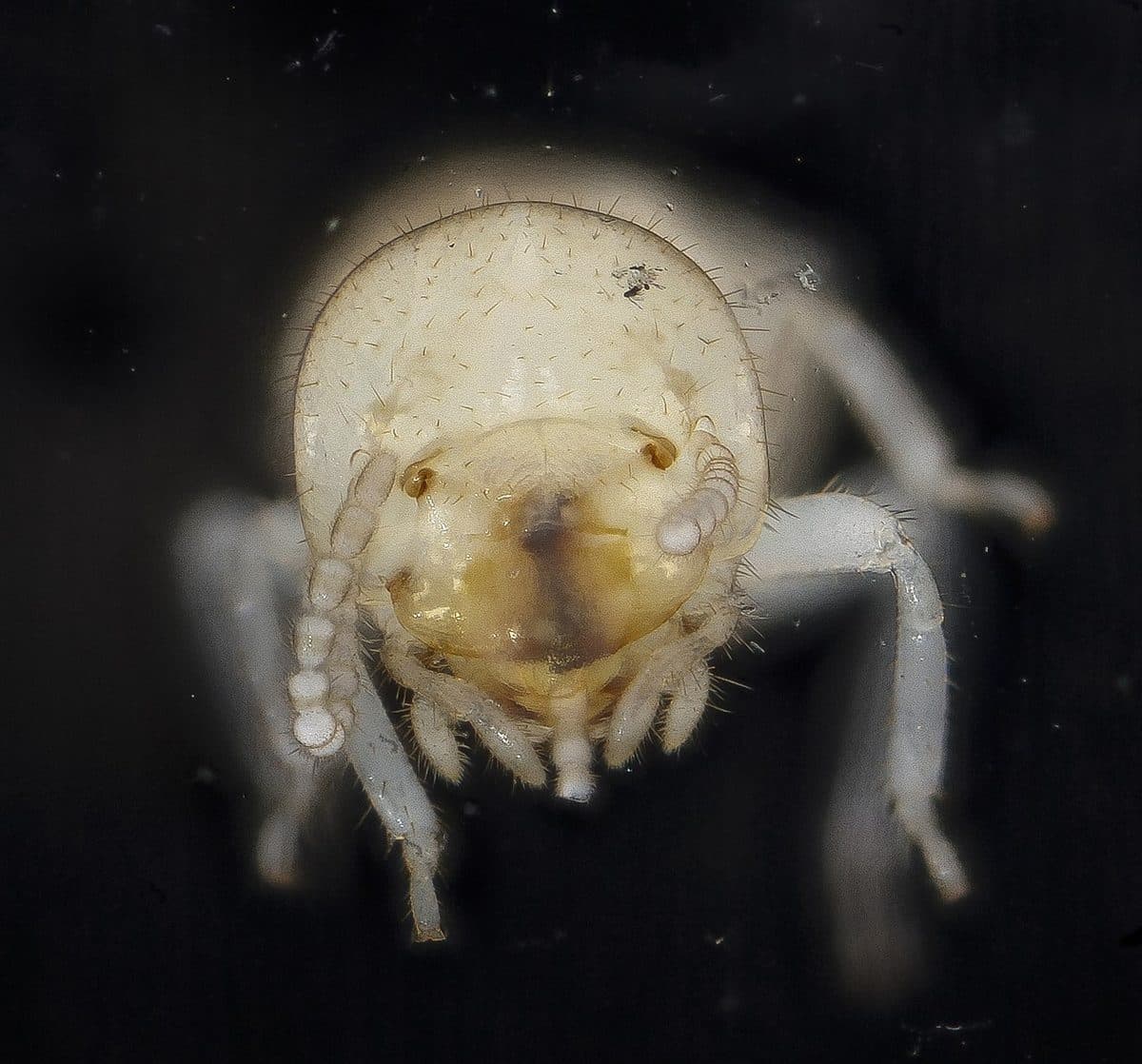
Subterranean termites
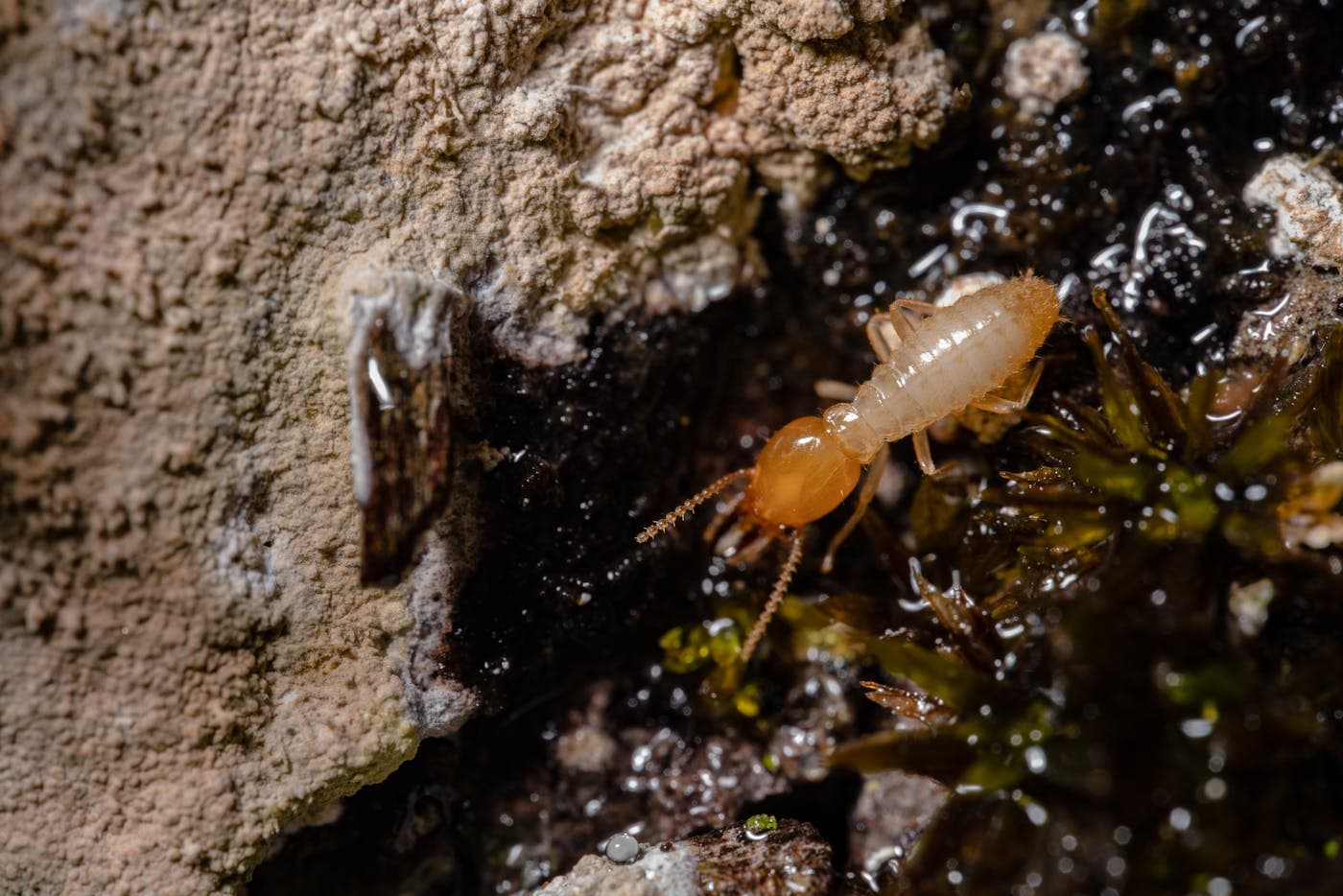
Pale, soft-bodied workers that stay hidden; they build pencil-width mud tubes from soil to wood. The most damaging termite in our region.
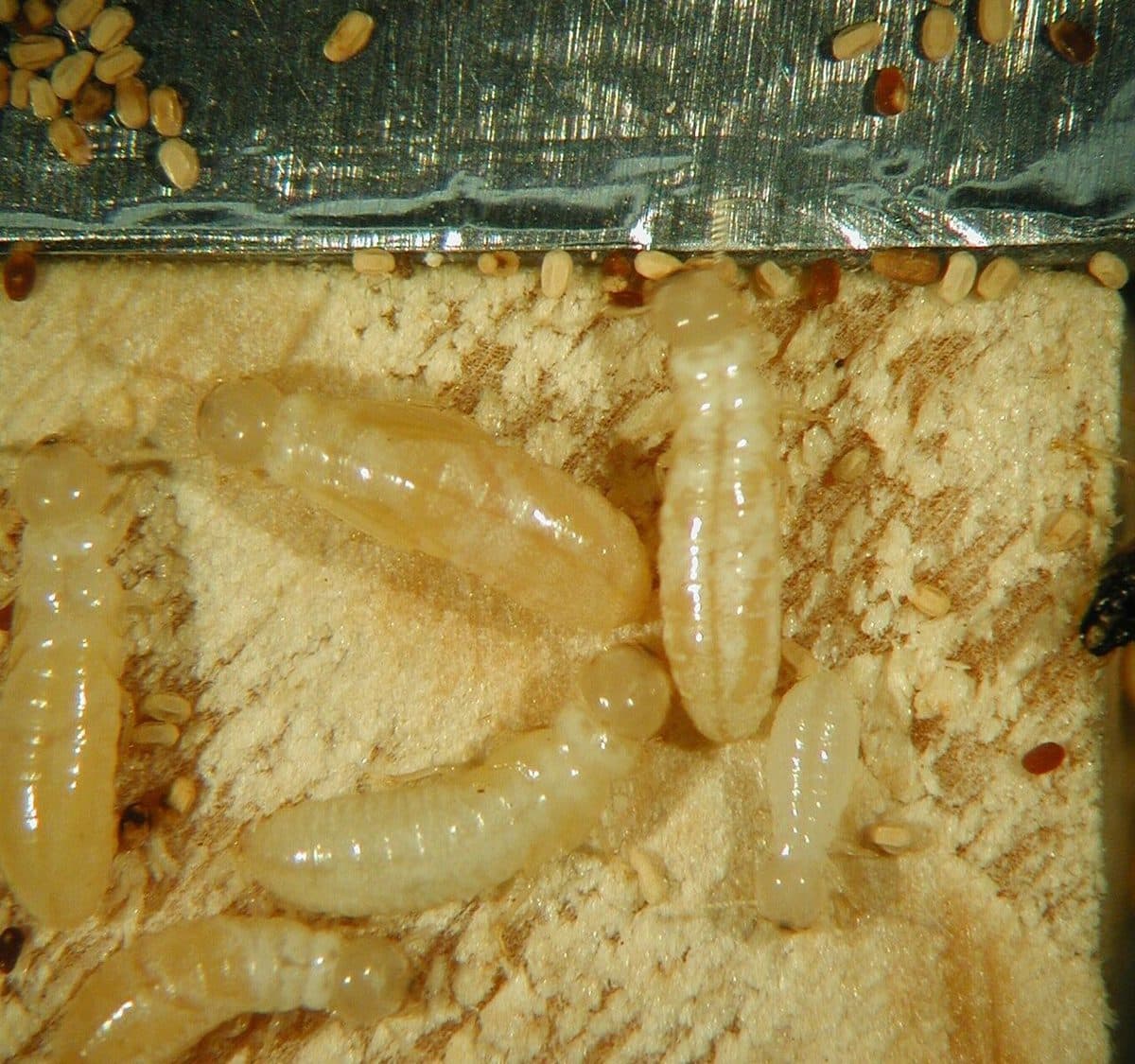
Drywood termites
Live entirely inside dry wood without soil contact; leave behind small piles of pellet-like droppings (frass).
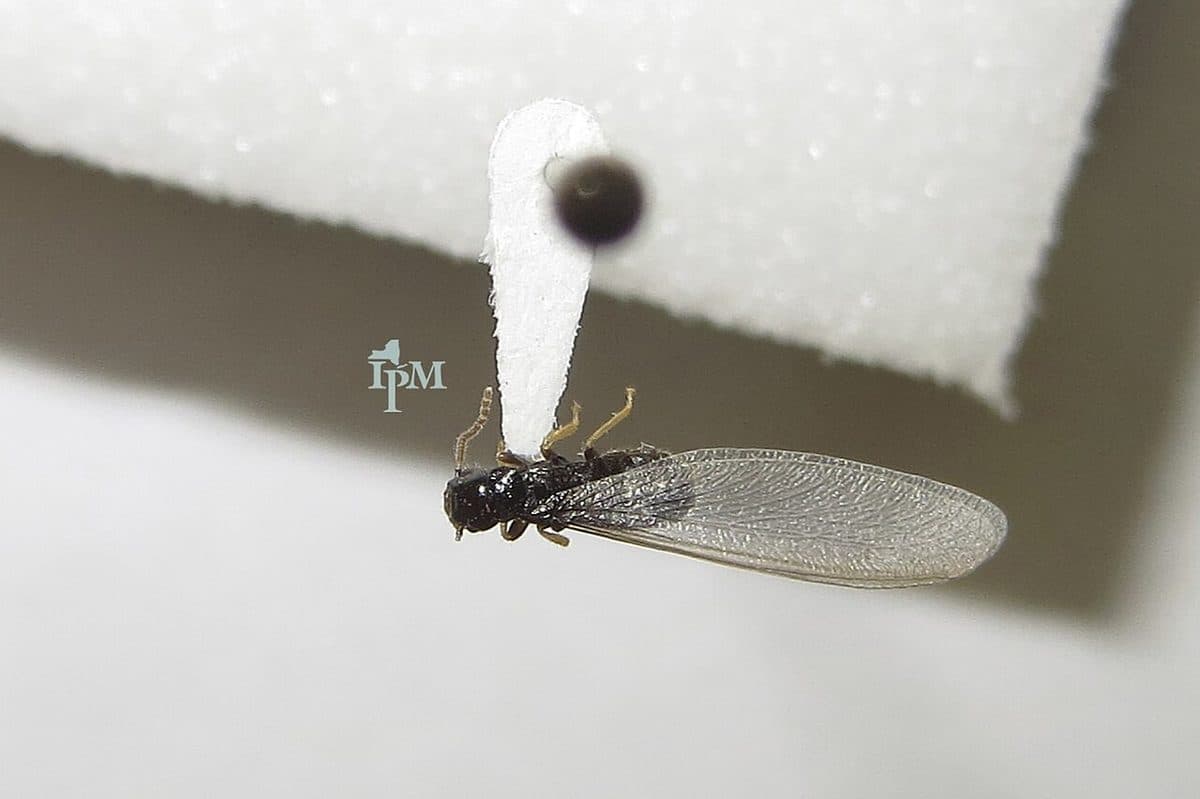
Swarmers (alates)
Winged reproductive termites that emerge to start new colonies, often in spring; frequently mistaken for flying ants.
Behavior & habits
Termites feed on cellulose in wood and stay hidden as they work, which is why damage often goes unnoticed for a long time. Subterranean colonies live in the soil and can be very large; they reach a structure through mud tubes or direct wood-to-soil contact. Spring is the typical swarm season in Florida.
Signs of an infestation
Mud tubes on foundations or walls, discarded wings near windows and doors, hollow-sounding or blistered wood, tight-fitting doors and windows from subtle damage, and small piles of frass (drywood termites).
Northeast Florida context
Our warm, humid climate and sandy soils make this region high-pressure for subterranean termites in particular. Because damage accrues slowly and out of sight, annual inspections and ongoing monitoring are especially valuable here. As the team behind Gray Home Inspections, we see firsthand how undetected termites affect homes.
When to call a professional
If you spot mud tubes, swarmers, or any sign of termites — or simply haven't had an inspection in a while — a professional inspection is the right step. Gray Pest Control are Certified Sentricon® Specialists and inspect before recommending treatment.
Common questions
How do I tell termite swarmers from flying ants?
Termite swarmers have straight bodies, equal-length wings, and straight antennae; flying ants have pinched waists, unequal wings, and bent antennae.
What are mud tubes?
Pencil-width tunnels subterranean termites build from soil to wood to stay moist while they travel — a classic sign of activity.
How serious is termite damage in Florida?
Because our climate is high-pressure and damage develops out of sight, termites are a leading cause of home structural damage here, which is why monitoring matters.
Concerned about termites?
Get a free quote from a licensed Gray Pest Control technician — serving Jacksonville, Clay, Duval, and St. Johns counties, including St. Augustine, Orange Park, and Fernandina Beach.