


Wasp & Stinging-Insect Control in Northeast Florida
Nest treatment and removal for wasps, hornets, and other stinging insects — by licensed technicians, with less sting risk than a do-it-yourself attempt.
How Gray Pest Control treats wasps & stinging insects
Gray Pest Control treats wasps, hornets, and other stinging insects in Northeast Florida by identifying the type, locating active nests, and treating or removing the nest itself rather than only the insects you see. A licensed technician inspects the property for nests, applies EPA-registered products according to label directions, and can set a recurring schedule to catch new nests early. Service covers Jacksonville, Clay, Duval, and St. Johns counties, including St. Augustine, Orange Park, and Fernandina Beach.
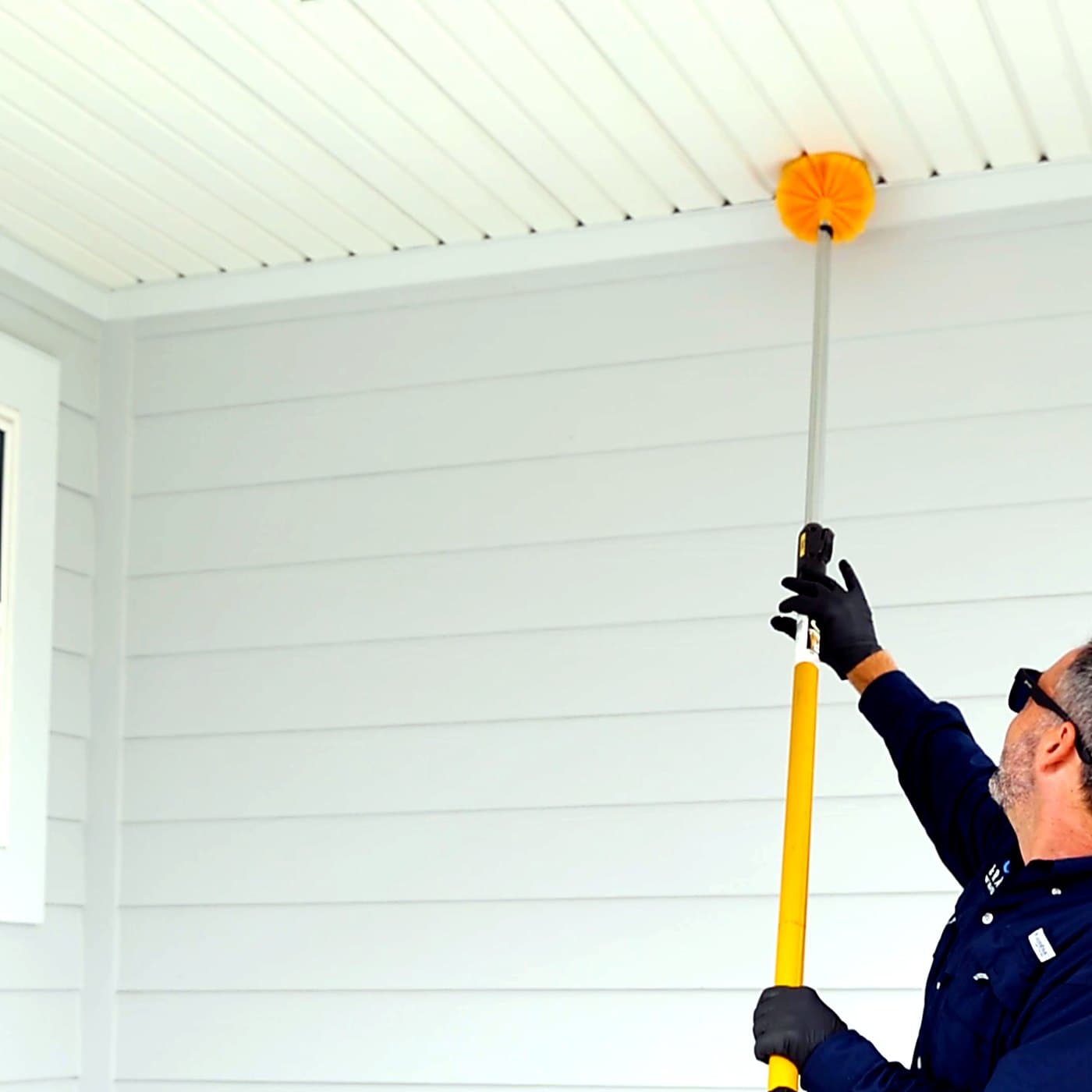
Active spring through fall.
Northeast Florida's warm climate keeps wasps, hornets, and other stinging insects active from spring through fall.
Many stinging insects defend their nests and can sting repeatedly. Disturbing a nest can provoke a defensive response, so professional removal lets a licensed technician use the right timing, approach, and equipment — reducing the risk of stings compared with a do-it-yourself attempt.
Our approach to stinging insects
Identify the type first
Wasps, hornets, and other stinging insects nest and behave differently, so identification guides the treatment.
Treat the nest directly
We treat or remove the nest itself with EPA-registered products applied per label directions.
Lower sting risk than DIY
A licensed technician brings the timing, approach, and equipment to reduce stings during removal.
Prevention & monitoring
Recurring service catches new nests early, before a colony grows.
Inspection-first, every time.
- 1
Inspect & identify the stinging insect
- 2
Locate active nests and harborage
- 3
Treat or remove the nest per label directions
- 4
Treat areas to discourage re-nesting
- 5
Maintain on a recurring schedule
When to call a professional
Some nests are easy to spot; others are hidden, where a disturbed colony can turn defensive. If a nest is large, high or hard to reach, near a doorway or play area, or if you or a household member has reacted to stings before, professional removal is the better route. If you find a nest, avoid disturbing it and give us a call.
- Nests in hidden or hard-to-reach spots
- Large or high nests
- Nests near entries, walkways, or play areas
- Any nest if you or a household member reacts to stings
Stinging-insect questions, answered.
What stinging insects do you treat?
We treat wasps, hornets, and other stinging insects common to Northeast Florida homes. We identify the type first, because they nest and behave differently.
Should I remove a wasp nest myself?
Disturbing a nest can provoke a defensive response, and some stinging insects can sting repeatedly. Professional removal lets a licensed technician use the right timing, approach, and equipment to reduce the risk of stings during removal. If you've reacted to stings before, don't attempt it yourself.
Where do wasps usually build nests?
Stinging insects nest in a variety of sheltered spots around a property. A licensed technician inspects to locate the active nests, then treats or removes them with EPA-registered products applied per label directions.
Will the wasps come back after treatment?
New queens can start fresh nests through the season, so recurring service helps catch them early. We also treat likely re-nesting areas to discourage rebuilding.
How much does wasp control cost?
It depends on the type of stinging insect, the number and location of nests, and how accessible they are — we provide a free written quote.
Request your free wasp & stinging-insect quote.
A licensed technician will inspect your property and provide a written quote — with no obligation.