


Rats & Mice in Northeast Florida — Identification & Facts
How to identify the rodents common in Northeast Florida, where they hide, and the signs that they've moved in.
Rats & Mice at a glance
The rodents most common in Northeast Florida homes are roof rats and house mice. Roof rats are agile climbers that enter homes through the roofline and upper structure, while house mice are smaller and squeeze through very small gaps. Both reproduce quickly and leave telltale signs like droppings and gnaw marks.
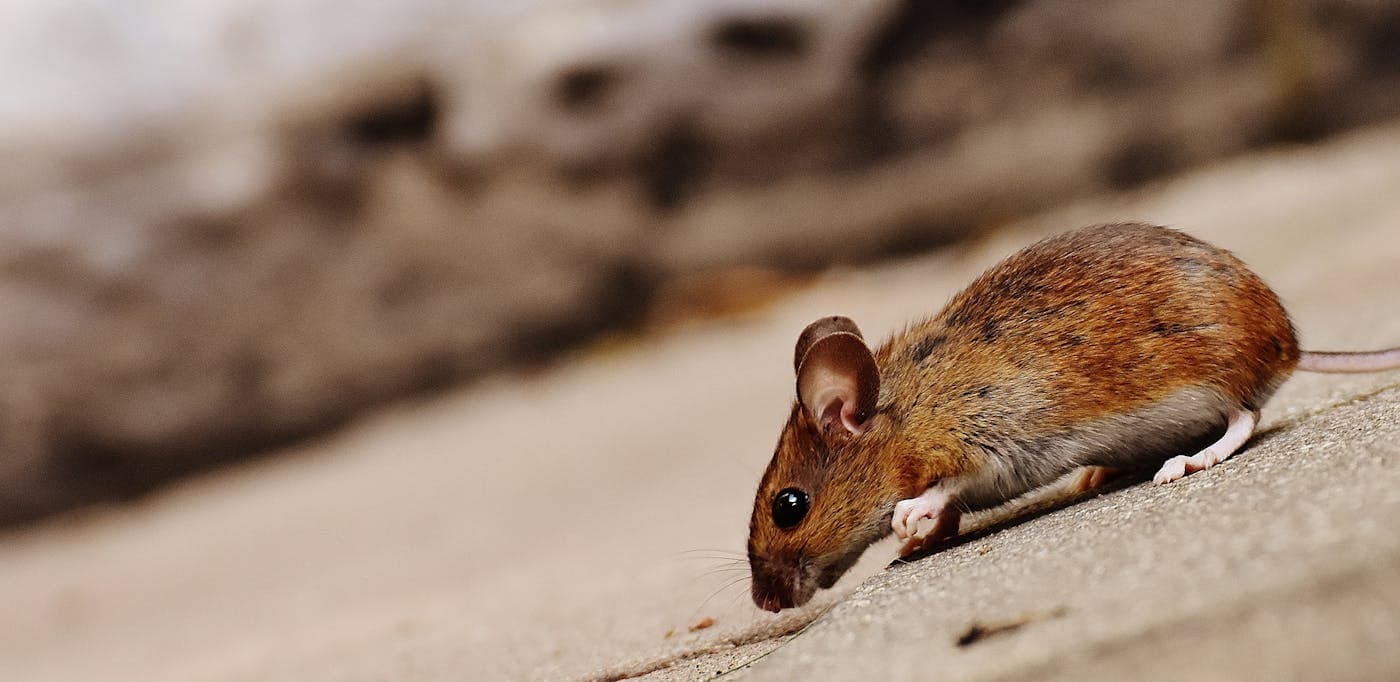
How to identify them

Roof rat
Sleek, dark, with a tail longer than its body; an excellent climber that nests in attics and upper areas.

Norway rat
Larger and heavier with a shorter tail; more often found at ground level and in burrows (less common here than roof rats but present).
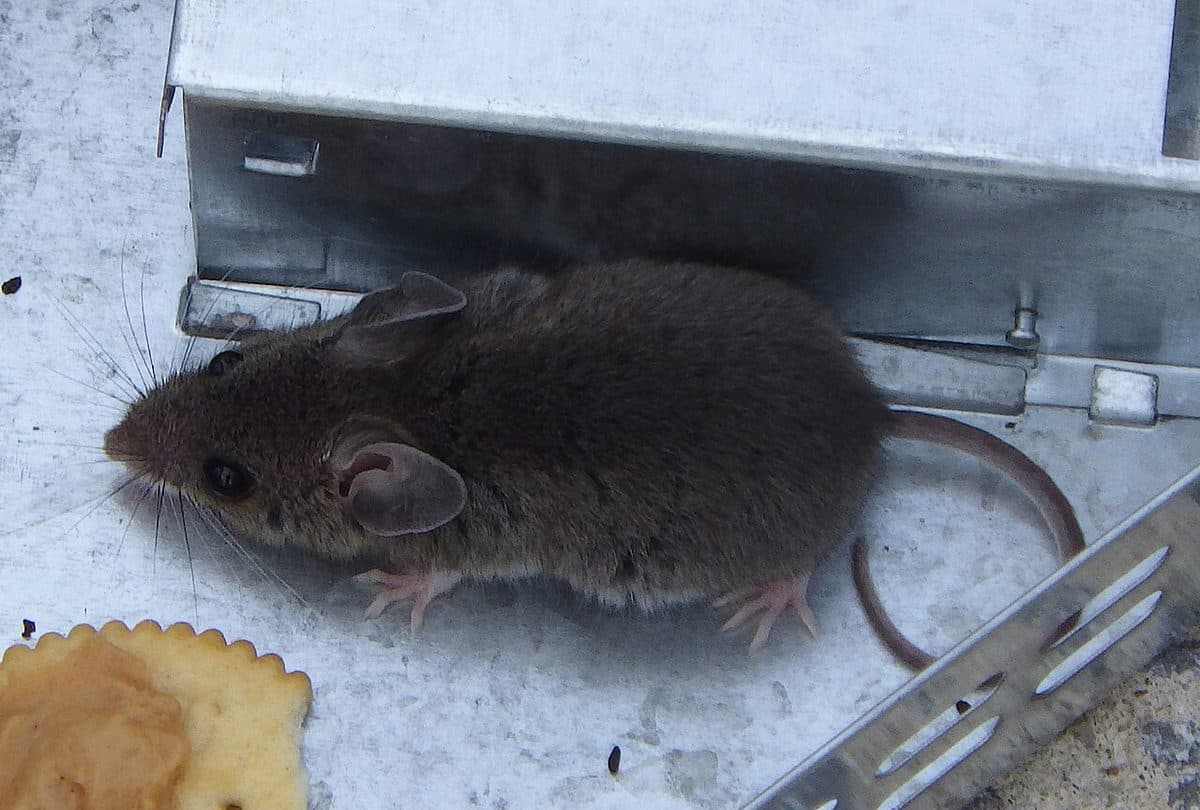
House mouse
Small, gray-brown, with relatively large ears; fits through gaps as small as a dime.
Behavior & habits
Rodents are most active at night, travel along walls and established routes, and seek food, water, and shelter. Roof rats favor attics, soffits, and trees touching the roofline; mice nest in secluded indoor spots. Both gnaw constantly to keep their teeth worn down.
Signs of an infestation
Droppings along walls or in cabinets, gnaw marks on wood and packaging, scratching or scurrying sounds in walls or the attic (especially at night), nests of shredded material, and grease marks along travel routes.
Northeast Florida context
Roof rats are especially at home here — our tree cover and warm climate suit them, and they readily use fences, branches, and power lines to reach rooflines. Older homes and any gaps in the building envelope make entry easier.
When to call a professional
Because rodents gnaw wiring and reproduce fast, and because lasting control depends on finding and sealing entry points, professional inspection and exclusion is the reliable path. Gray Pest Control inspects for entry points, seals access, and uses targeted trapping.
Common questions
How are roof rats getting into my attic?
They climb fences, tree limbs, and power lines to reach the roofline, then enter through soffit gaps, vents, and small openings.
How do I know if it's rats or mice?
Rats are larger with bigger droppings; mice are small and leave smaller droppings. Roof rats tend to be up high in attics, mice lower and more hidden.
Will rodents leave on their own?
They generally won't — they've found food and shelter, so trapping and sealing entry points is what resolves it.
Hearing something in the attic?
Get a free quote from a licensed Gray Pest Control technician — serving Jacksonville, Clay, Duval, and St. Johns counties, including St. Augustine, Orange Park, and Fernandina Beach.