


Bed Bugs in Northeast Florida — Identification & Facts
How to identify bed bugs, the signs they leave behind, how they spread, and when professional treatment makes sense.
Bed Bugs at a glance
Bed bugs are small, flat, reddish-brown insects that feed on blood, usually at night, and hide in seams and crevices near where people sleep. They are not a sign of an unclean home — they spread by hitchhiking on luggage, used furniture, and bags — and because they hide so well and reproduce quickly, infestations are notoriously hard to clear without professional help.
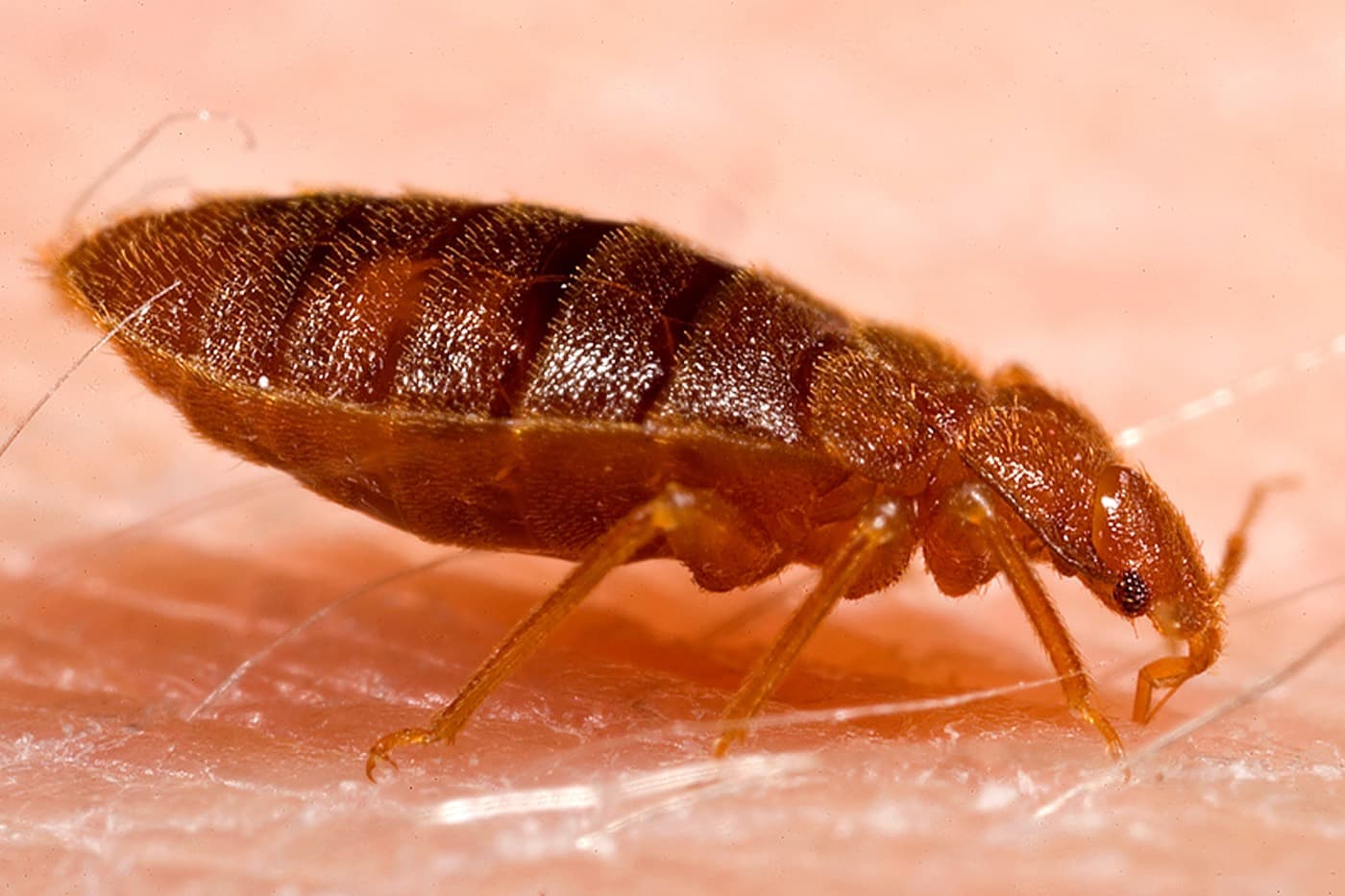
How to identify them
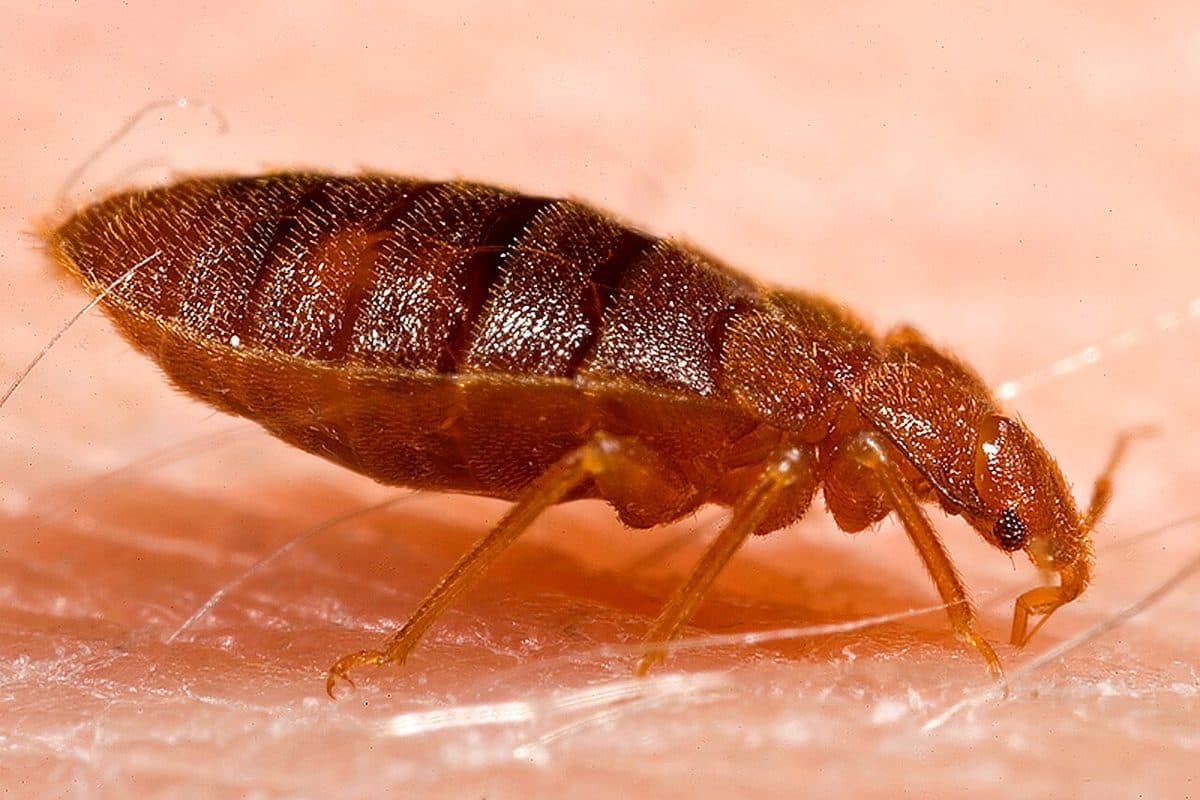
Adults
About the size and color of an apple seed — flat, oval, reddish-brown — turning rounder and darker after feeding.
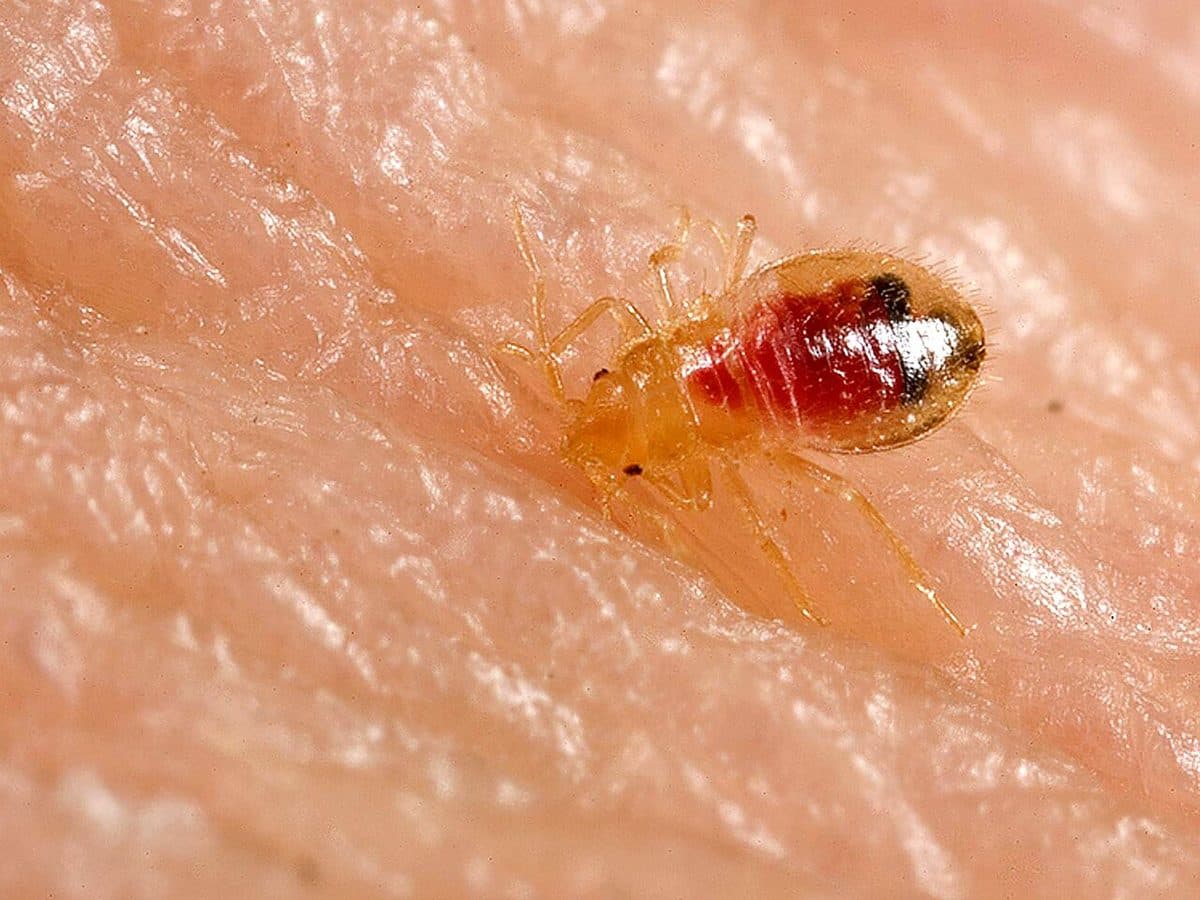
Nymphs (young)
Smaller and pale to translucent, becoming visible and darker as they feed and grow.
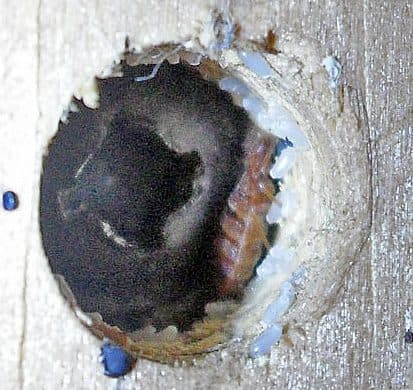
Eggs
Tiny, pearly-white, about the size of a pinhead, laid in clusters in cracks and seams.
Bites
Often small, itchy welts, sometimes in a line or cluster — but reactions vary, and bites alone don't confirm bed bugs.
Behavior & habits
Bed bugs are nocturnal and stay hidden during the day in mattress seams, box springs, headboards, baseboards, and furniture joints — anywhere close to a sleeping host. They come out to feed on blood, then return to harborage. They don't fly or jump; they crawl, and they spread between rooms and buildings by hitchhiking on belongings.
Signs of an infestation
Live bugs or shed skins in mattress and box-spring seams; small rusty or dark spots (digested blood) on sheets, mattresses, or nearby walls; tiny pale eggs in crevices; and, in heavier infestations, a faint musty odor. Unexplained bites that appear overnight can be a prompt to inspect.
Northeast Florida context
Bed bugs are found anywhere people travel, and Northeast Florida's steady flow of visitors and tourism keeps them in circulation. They aren't tied to climate the way many pests are — they live wherever their hosts do — so any home, apartment, or hotel can be affected.
When to call a professional
Bed bugs are one of the hardest pests to clear on your own: they hide in places sprays don't reach and can survive many do-it-yourself attempts, which often scatter them further. A licensed technician can confirm the infestation, treat the harborage areas directly, and schedule follow-up visits to catch survivors and newly hatched bugs. Gray Pest Control treats bed bugs with a thorough inspection and targeted treatment by licensed technicians.
Common questions
Do bed bugs spread disease?
Bed bugs are not known to transmit disease to people, but their bites can cause itching, irritation, and lost sleep, and heavy infestations can be stressful to live with.
Does having bed bugs mean my house is dirty?
No. Bed bugs are about access to a host, not cleanliness — they're found in tidy and cluttered homes alike, and they spread by hitchhiking, not by dirt.
How did bed bugs get into my home?
Usually by hitchhiking — on luggage after travel, on used or secondhand furniture, in bags, or from an adjoining unit in multi-family housing.
Can I get rid of bed bugs myself?
It's very difficult. They hide in hard-to-reach places and can survive many over-the-counter products, so professional inspection and treatment with follow-up is the most reliable approach.
Think you have bed bugs?
Get a free quote from a licensed Gray Pest Control technician — serving Jacksonville, Clay, Duval, and St. Johns counties, including St. Augustine, Orange Park, and Fernandina Beach.