


Mosquitoes in Northeast Florida — Identification & Facts
Why our region sees so many mosquitoes, where they breed, the types you'll encounter, and how to reduce them around your home.
Mosquitoes at a glance
Mosquitoes are small biting flies whose females need a blood meal to produce eggs. They breed in standing water — sometimes as little as a bottle cap's worth — so Northeast Florida's long warm season, heavy rain, and abundant water from the St. Johns River and tidal marsh make mosquito pressure especially high here. Reducing them comes down to removing breeding sites and treating the shaded areas where adults rest.
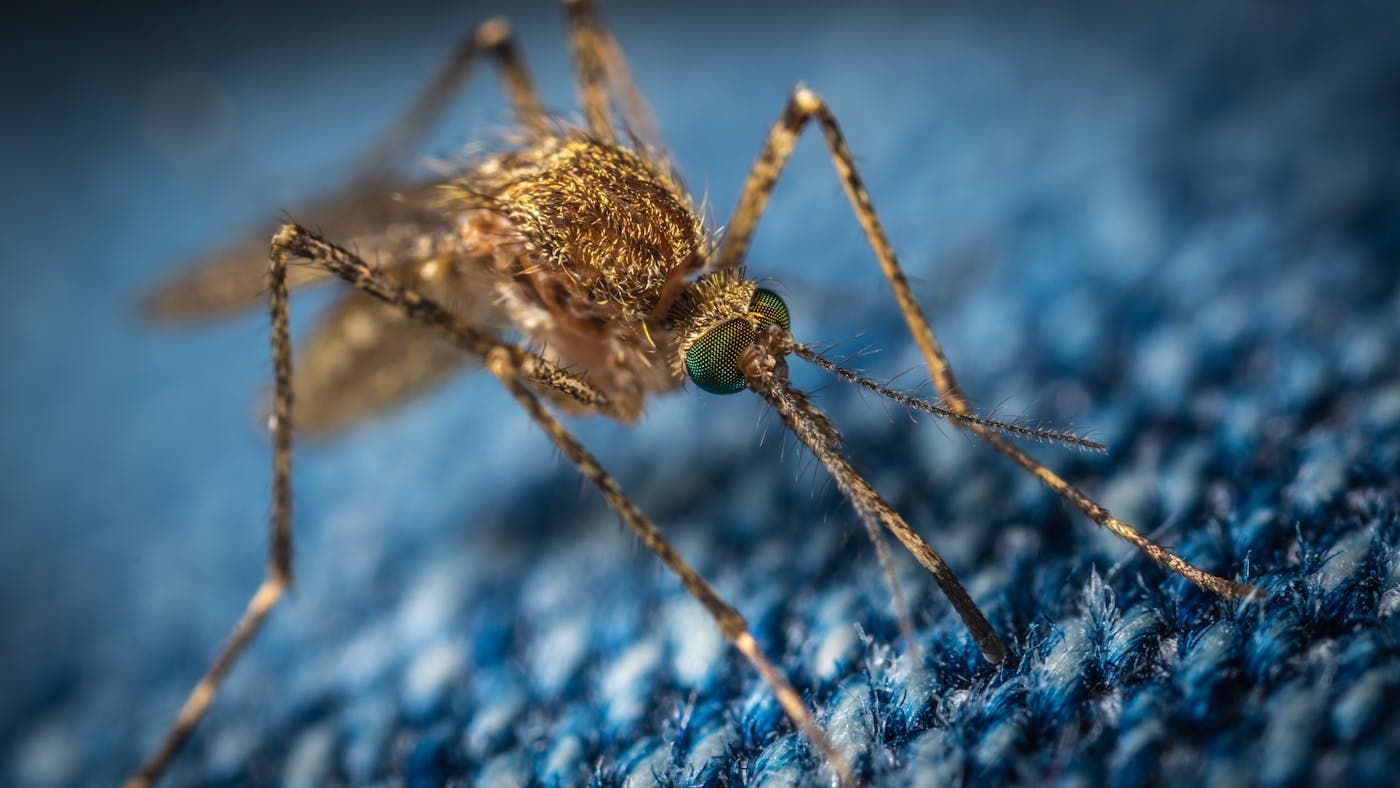
How to identify them
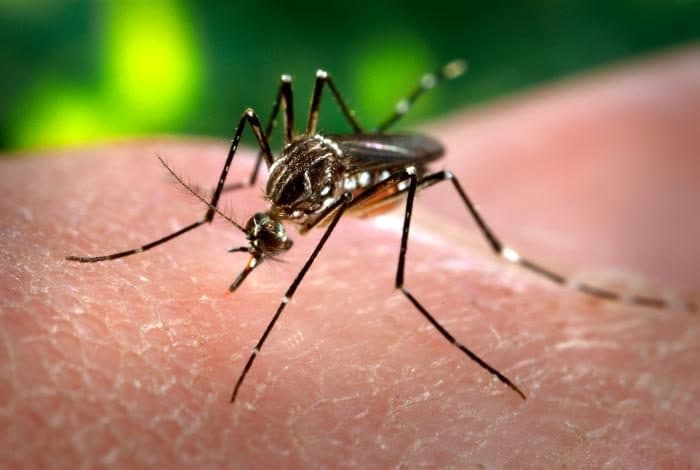
Container mosquitoes
Breed in water-holding containers around the yard; some are aggressive daytime biters near where they emerge.
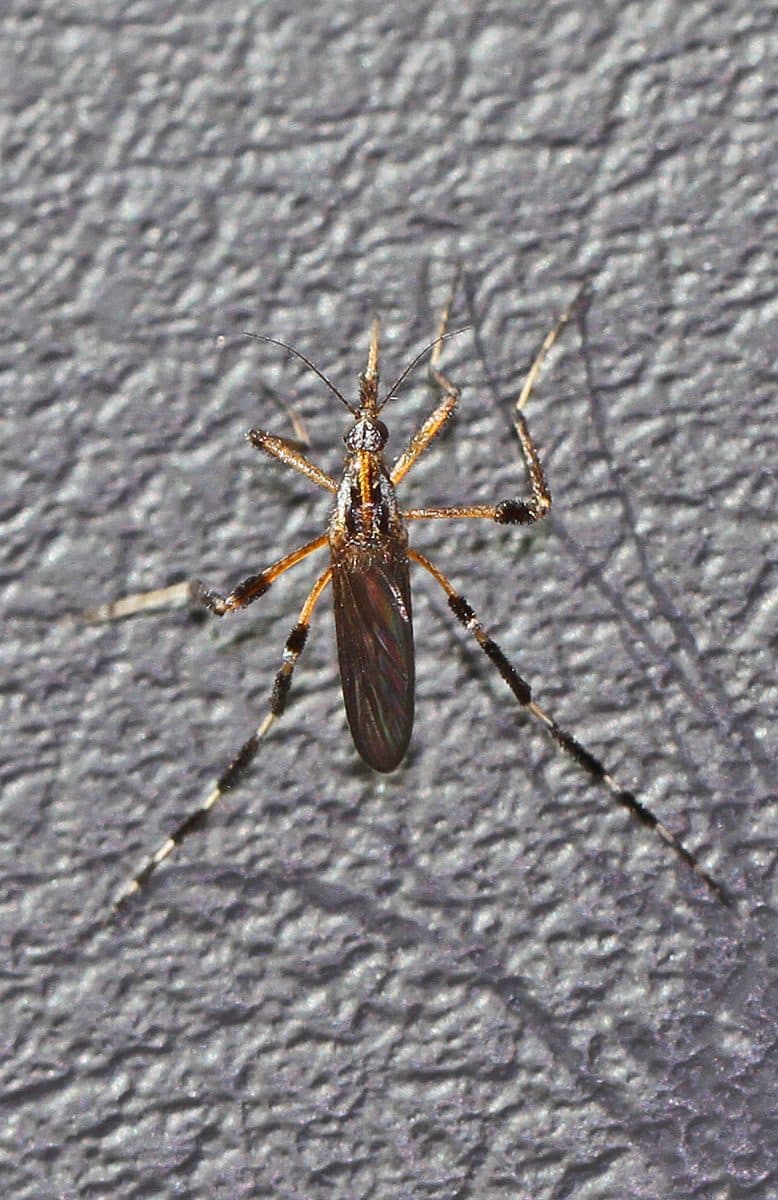
Floodwater & salt-marsh mosquitoes
Emerge in large numbers after heavy rain or high tides from low-lying ground and marsh.
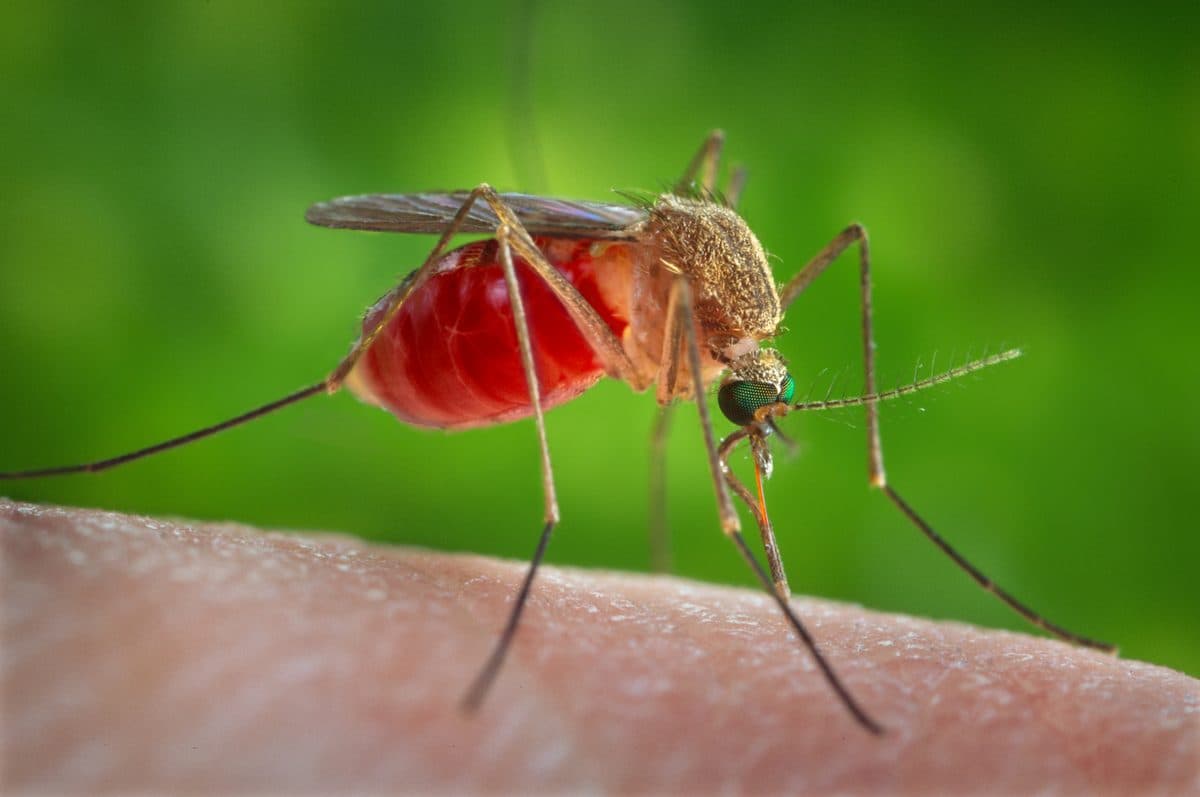
House mosquitoes
More active around dusk and into the night; breed in stagnant, organically rich water.
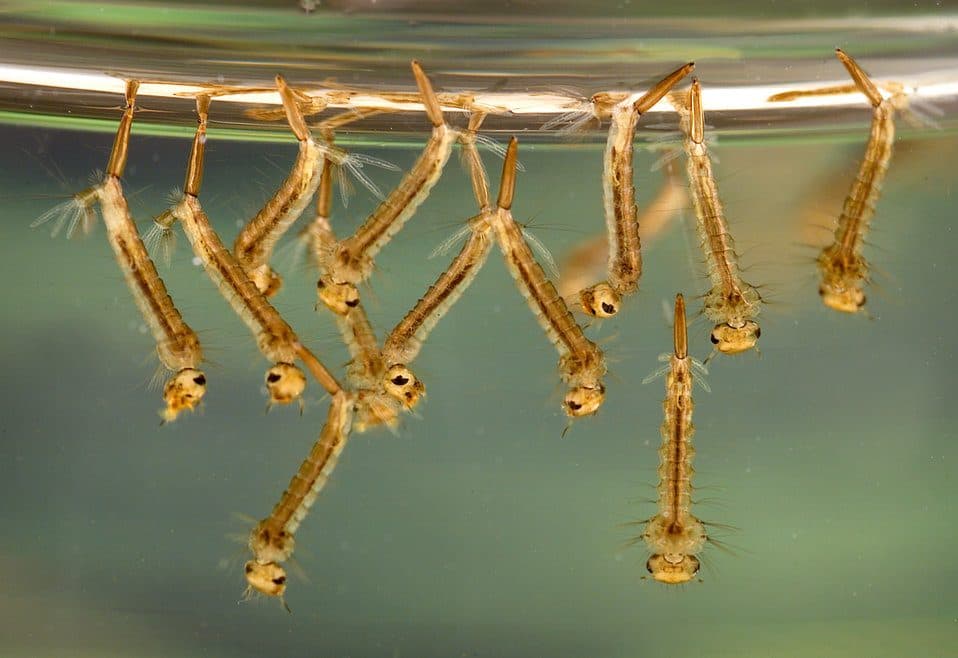
Larvae ('wigglers')
Thin, wriggling larvae visible in standing water — a sign of an active breeding site.
Behavior & habits
Only female mosquitoes bite; they're drawn to body heat, carbon dioxide, and scent. After feeding they lay eggs in or near standing water, where larvae develop before emerging as adults. Activity varies by species — some bite mostly at dawn and dusk, others during the day — and many rest in shaded, humid vegetation between feedings.
Signs of an infestation
Persistent biting around the yard, especially near standing water or shaded plantings; larvae wriggling in containers, gutters, or low spots; and noticeably worse activity after rain or in humid evenings.
Northeast Florida context
A long, hot, humid season, frequent rain, and water from the St. Johns River, tidal creeks, and marsh give mosquitoes abundant breeding sites for much of the year. Beyond the nuisance, some mosquitoes can transmit viruses such as West Nile and Eastern equine encephalitis, which is one reason ongoing control matters here.
When to call a professional
Removing standing water helps, but mosquitoes also fly in from surrounding areas and breed in spots that are easy to miss. Recurring professional treatment targets the shaded resting areas and breeding sites on your property to keep pressure down through the season. Gray Pest Control treats mosquitoes with EPA-registered products applied by licensed technicians per label directions on a recurring schedule.
Common questions
How do I reduce mosquitoes around my home?
Eliminate standing water — empty containers, flowerpot saucers, and toys, keep gutters clear, change pet and bird water often, and fix drainage low spots. Even small amounts of water can breed mosquitoes.
Do mosquitoes carry disease?
Some mosquitoes can transmit viruses such as West Nile and Eastern equine encephalitis. Risk varies year to year, but reducing mosquito populations lowers exposure.
When is mosquito season in Northeast Florida?
Mosquitoes are active for much of the year here — generally heaviest from spring through fall, and they can persist into mild winters.
Why are mosquitoes worse near water?
Mosquitoes breed in standing water, so the St. Johns River, tidal marsh, ponds, and even small containers near the home create the breeding sites that drive activity.
Tired of mosquitoes in your yard?
Get a free quote from a licensed Gray Pest Control technician — serving Jacksonville, Clay, Duval, and St. Johns counties, including St. Augustine, Orange Park, and Fernandina Beach.